

60×60 Ceiling Panel Price; A Review of Gypsum and PVC Panels in the Market
When undertaking a renovation or constructing a new commercial or residential space, the ceiling is often a critical component that blends aesthetics with functionality. Among the myriad of options available, the 60×60 cm suspended ceiling system has emerged as a global standard, prized for its versatility, ease of installation, and practical benefits.
However, the most pressing question for project managers, homeowners, and contractors alike revolves around the 60×60 ceiling panel price. This cost is not a single, fixed number; it is a dynamic figure influenced by material, brand, functionality, and market trends. Understanding these variables is key to making an informed and budget-conscious decision.
In this comprehensive guide, we will delve deep into every aspect of this topic, from the fundamental definition of these panels to the intricate factors that dictate their final cost. We’ll explore how choices in Decorative Wall Panels can influence the overall design theme, and how modern materials like plastic thermowall are changing perceptions of interior finishing. Our goal is to equip you with the knowledge to navigate the market confidently and find a solution where the 60×60 ceiling panel price aligns perfectly with your project’s quality and financial requirements.
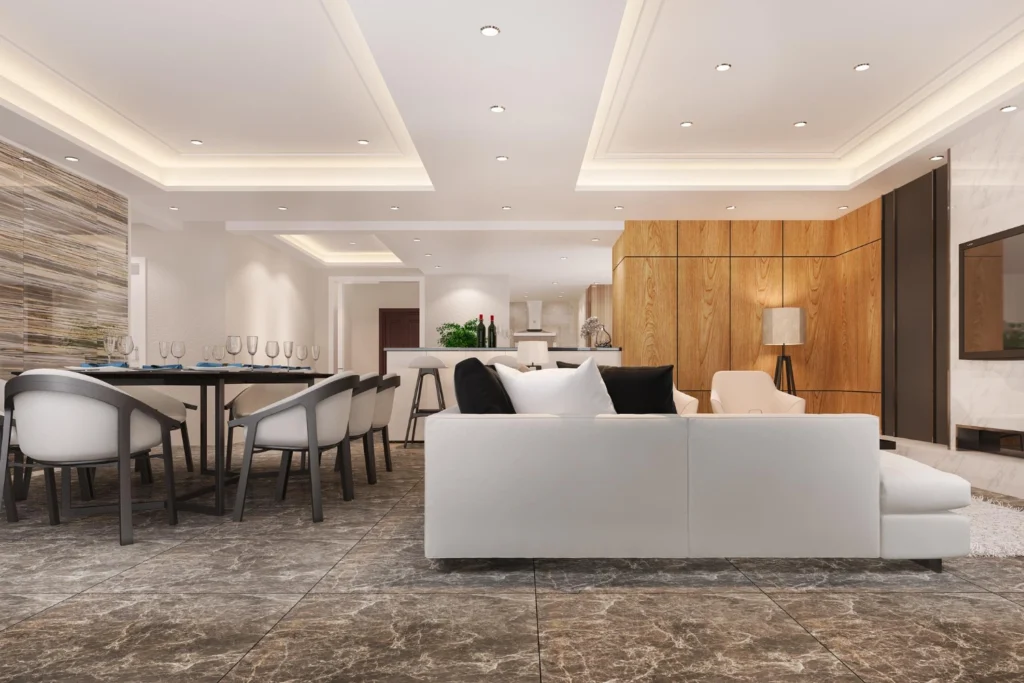
60×60 ceiling panel price
What is a 60×60 Ceiling Panel?
Before we can accurately analyze the 60×60 ceiling panel price, it’s essential to understand precisely what this product is. A 60×60 ceiling panel, also known as a ceiling tile, is the primary visible component of a “dropped” or “suspended” ceiling system. This type of ceiling consists of a metal grid suspended from the structural ceiling (the slab or joists above) by wires. The 60×60 cm panels are then simply dropped into the grid’s openings. This modular system creates a plenum space between the structural ceiling and the finished ceiling, which is invaluable for concealing wiring, plumbing, HVAC ductwork, and other building infrastructure while allowing for easy access for maintenance and repairs.
The 60×60 dimension is a metric standard that has gained international popularity due to its balanced scale. It is large enough to be installed quickly over large areas but small enough to be handled by a single installer. This standardization also means that panels, grid components, and compatible light fixtures are widely available from numerous manufacturers, fostering a competitive market that helps regulate the overall 60×60 ceiling panel price. These panels are not monolithic in their composition; they come in a variety of materials, each offering a unique set of properties that significantly impact their performance, appearance, and cost.
Common Types of 60×60 Ceiling Panels:
- Gypsum (Plasterboard) Panels: These are among the most common and cost-effective options. Made from a core of gypsum plaster pressed between two thick sheets of paper, they provide a smooth, clean, and often white finish that can be easily painted to match any interior decor. Variations include moisture-resistant “green board” for bathrooms and kitchens, and fire-rated “Type X” gypsum for areas requiring enhanced fire protection. The simplicity of gypsum heavily influences the baseline 60×60 ceiling panel price.
- PVC (Polyvinyl Chloride) Panels: PVC panels are a lightweight, durable, and water-resistant alternative. They are completely impervious to moisture, making them the ideal choice for high-humidity environments like swimming pools, bathrooms, and commercial kitchens. They come in a vast array of designs, including embossed patterns, printed wood grains, and metallic finishes. Their low maintenance and longevity can offer excellent long-term value, even if the initial 60×60 ceiling panel price is slightly higher than basic gypsum.
- Mineral Fiber Panels: Often referred to as acoustic panels, these are made from a blend of mineral wool, perlite, fiberglass, and recycled materials. Their primary advantage is their excellent sound absorption capabilities, measured by a Noise Reduction Coefficient (NRC) rating. This makes them the standard for offices, classrooms, libraries, and healthcare facilities where noise control is a priority. The acoustic performance is a major factor driving the 60×60 ceiling panel price for this category.
- Metal Panels: Typically made from aluminum or steel, metal panels offer a sleek, modern aesthetic combined with exceptional durability. They are resistant to sagging, moisture, and impact, and are often used in high-traffic areas, transportation hubs, and data centers. They can be solid, perforated for acoustics, or designed into various shapes. Their premium nature means they are at the higher end of the 60×60 ceiling panel price spectrum.
Understanding these material differences is the first and most critical step in evaluating the market. A homeowner looking for a simple basement ceiling will have very different requirements—and a very different target 60×60 ceiling panel price—than an architect designing a concert hall or a cleanroom facility. While a wall might be finished with a premium material to make a statement, such as a PVC reception wall, the ceiling choice is often guided more by a balance of functionality and cost.
60×60 Ceiling Panel Price in the Market
The market for ceiling panels is diverse, and so is the pricing. The 60×60 ceiling panel price is not just about the panel itself but is influenced by a combination of factors. Dissecting these factors allows for a more accurate budget forecast and helps in comparing quotes from different suppliers. A cheap initial price might hide future costs, while a higher price might be justified by superior performance and longevity. Let’s break down the primary drivers of the 60×60 ceiling panel price.
Factors Influencing the 60×60 Ceiling Panel Price:
- Material Composition: As detailed above, this is the number one factor. Basic gypsum panels are the most affordable, followed by standard PVC and low-end mineral fiber. High-performance acoustic panels, designer PVC, fire-rated panels, and metal panels occupy the mid-to-high end of the price range. The raw material cost and manufacturing complexity directly correlate to the final 60×60 ceiling panel price.
- Brand and Manufacturer: Established brands like Armstrong, USG, and Knauf often command a higher price due to their reputation for quality control, consistent performance, and extensive warranties. Lesser-known or regional manufacturers may offer a more competitive 60×60 ceiling panel price, but it’s crucial to verify their product specifications and certifications.
-
Performance Features: Standard panels are just the beginning. The price increases with added features:
- Acoustics (NRC/CAC): Higher Noise Reduction Coefficient (NRC) and Ceiling Attenuation Class (CAC) ratings significantly increase the price.
- Fire Rating: Panels rated for 1-hour or 2-hour fire resistance are more expensive due to their specialized composition.
- Moisture and Mold Resistance: Panels treated to resist humidity, mold, and mildew are crucial for specific environments and cost more.
- Light Reflectance (LR): High LR panels can help brighten a space and reduce energy costs for lighting, adding a premium to the 60×60 ceiling panel price.
- Thickness and Edge Detail: Thicker panels are generally more durable, less prone to sagging, and more expensive. The edge detail also plays a role. Standard “square edge” panels that sit flush with the grid are the cheapest. “Tegular” or “reveal” edges, which drop slightly below the grid for a more three-dimensional look, cost more.
- Finish and Aesthetics: A plain white panel is the baseline. Any custom color, texture, pattern, or printed design will increase the 60×60 ceiling panel price. This is where consumers looking for unique designs, perhaps to match a specific wall covering like a Thermowall, will see costs rise.
- Order Quantity and Supplier: Buying in bulk for a large commercial project will typically result in a lower per-panel price than buying a small quantity from a retail hardware store. The supplier’s markup and shipping costs also factor into the final 60×60 ceiling panel price.
Comparative Price Table
To provide a clearer picture, the following table offers an estimated range for the 60×60 ceiling panel price based on material type. Prices are illustrative and can vary significantly by region and supplier.
| Panel Type | Estimated Price Range (per panel) | Key Features | Best For |
|---|---|---|---|
| Standard Gypsum | $3 – $7 | Paintable, smooth finish, affordable. | Basements, residential rooms, general-purpose areas. |
| Moisture-Resistant Gypsum | $5 – $10 | Resists humidity, prevents mold growth. | Bathrooms, laundry rooms, non-commercial kitchens. |
| Basic PVC | $6 – $12 | 100% waterproof, lightweight, easy to clean. | High-humidity areas, food processing facilities, car washes. |
| Designer PVC | $10 – $25+ | Decorative patterns, wood/metal finishes. | Restaurants, hotels, retail spaces, feature ceilings. |
| Basic Mineral Fiber (Low NRC) | $5 – $9 | Basic sound absorption, textured finish. | Budget offices, utility rooms, corridors. |
| High-Performance Acoustic Mineral Fiber (High NRC) | $12 – $30+ | Excellent sound absorption and blocking. | Open-plan offices, classrooms, healthcare, theaters. |
| Metal (Aluminum/Steel) | $15 – $40+ | Highly durable, modern look, long lifespan. | Airports, kitchens, labs, exterior soffits. |
Remember, this table reflects the panel cost only. The total project cost must include the suspension grid, wires, clips, and labor, which can add 50-100% to the material cost. Therefore, when you are budgeting, think in terms of the total installed 60×60 ceiling panel price per square meter. Many homeowners look for Affordable Wall Panels for quick renovations, and the same mindset can be applied to ceilings by choosing materials from the lower end of this price spectrum.
Advantages and Disadvantages of 60×60 Ceiling Panels
Choosing a 60×60 suspended ceiling system involves weighing its pros and cons. The attractive 60×60 ceiling panel price for basic models is a significant advantage, but it’s important to consider the full picture.
Advantages:
- Easy Access to Plenum: This is arguably the biggest benefit. Any maintenance on pipes, wires, or ducts is as simple as lifting a panel, with no need for demolition or costly repairs to a drywall ceiling.
- Speed of Installation: Installing a grid and dropping in panels is significantly faster than framing, hanging, taping, mudding, and painting a traditional drywall ceiling. This reduces labor costs, affecting the total project 60×60 ceiling panel price.
- Concealment: It provides a clean, finished look while hiding unsightly structural elements, pipes, and wiring.
- Acoustic Control: With the right mineral fiber panels, a suspended ceiling can dramatically improve the acoustics of a room by absorbing sound and reducing echo.
- Design Flexibility: The range of materials, textures, and colors available offers immense design possibilities. Panels can be easily swapped out to change the look of a room. This is a great way to introduce a new design theme alongside options like Affordable Thermowall solutions for walls.
- Easy Integration: Recessed lighting, speakers, air diffusers, and sprinkler heads are specifically designed to fit perfectly within the 60×60 grid system.
- Repairability: If a panel is stained or damaged, it can be replaced in minutes for a very low cost, unlike a drywall ceiling which would require a patch and repaint. This low long-term maintenance cost should be factored into the initial 60×60 ceiling panel price consideration.
Disadvantages:
- Reduced Headroom: The system requires a minimum of 10-15 cm of clearance, which lowers the overall ceiling height. This can be a significant issue in rooms that are already low.
- Aesthetic Concerns: In some residential settings, the visible grid lines can create a commercial or “office-like” feel that may not be desirable. While modern designs have improved this, it remains a consideration.
- Potential for Sagging: Lower-quality, less dense panels can sag over time, especially in humid conditions. Choosing the right material for the environment is crucial.
- Not as Solid: A suspended ceiling does not provide the same solid, structural feel as a conventional ceiling. It is not load-bearing in any way.
Ultimately, the decision to use a 60×60 system depends on the specific application. For basements, offices, and commercial spaces, the advantages almost always outweigh the disadvantages. For high-end residential living rooms, the choice is more subjective. Considering the right Ceiling tiles for home is essential to match the desired ambiance. The favorable 60×60 ceiling panel price often makes it a very compelling option across the board.
Tips for Buying 60×60 Ceiling Panels
Navigating the market to find the best 60×60 ceiling panel price for your needs requires a strategic approach. It’s not just about finding the lowest price, but the best value. Here are essential tips to guide your purchase:
- Assess Your Environment First: Before you even look at a single panel, define the needs of your space. Is it a damp basement? You need moisture-resistant panels (PVC or treated gypsum). Is it a home theater? You need high-NRC acoustic panels. Is it a commercial kitchen? You need cleanable, waterproof PVC or metal panels. Matching the panel to the environment prevents costly failures down the line.
- Set a Realistic Budget: Your budget should encompass the entire system: panels, main tees, cross tees, wall angles, suspension wires, and labor. A low 60×60 ceiling panel price is meaningless if the grid system is expensive or installation is complex. Get a comprehensive quote for the entire project.
- Request Samples: Never buy based on a picture in a catalog or online. Colors, textures, and finishes can look vastly different in person and under your room’s specific lighting conditions. Get physical samples and view them in the space where they will be installed.
-
Understand the Ratings: Learn to read the technical specifications.
- NRC (Noise Reduction Coefficient): A value from 0 to 1 indicating how much sound is absorbed. Higher is better for noise control.
- CAC (Ceiling Attenuation Class): Measures the ceiling’s ability to block sound from traveling to adjacent rooms. Higher is better for privacy.
- LR (Light Reflectance): A percentage indicating how much light the panel reflects. Higher values can make a space brighter and save on energy.
- Calculate Your Needs Accurately: Measure the length and width of your room to get the total area. Divide this by the area of one panel (0.36 sq. meters for a 60×60 cm panel) to find the number of panels needed. Always add 5-10% for waste from cuts, especially in irregularly shaped rooms. This ensures your final 60×60 ceiling panel price calculation is accurate.
- Compare Apples to Apples: When getting quotes from different suppliers, ensure they are for the exact same brand, model, and quantity of panels and grid components. A slight difference in model numbers can mean a big difference in performance and price.
- Consider the Entire Interior Design: Your ceiling should complement your walls and floor. If you are exploring modern wall solutions like a Thermowall, you might want a ceiling panel with a cleaner, more modern edge detail to match. Thinking about the entire aesthetic can justify a slightly different 60×60 ceiling panel price point. When considering all surfaces, some might even debate between wall finishes like Marble Sheet or Ceramic, and the ceiling choice should harmonize with these high-end materials.
By following these tips, you transform from a price-shopper to a value-seeker, ensuring the 60×60 ceiling panel price you pay delivers the performance, durability, and aesthetic you require for your project.
How to Install 60×60 Ceiling Panels
While we always recommend professional installation for the best results, understanding the process can help you communicate effectively with your contractor and appreciate the labor costs associated with the total 60×60 ceiling panel price. The installation of a suspended ceiling is a methodical, grid-based process.
Step-by-Step Installation Overview:
- Planning and Layout: The first step is to measure the room and plan the grid layout on paper. The goal is to create a balanced look, ensuring the border panels on opposite sides of the room are of equal size and as large as possible. The desired finished ceiling height is determined and marked around the room with a laser level. This planning stage is critical for an aesthetic outcome and an efficient use of materials, which impacts the overall 60×60 ceiling panel price.
- Install the Wall Angle: A metal L-shaped trim, called the wall angle or wall molding, is attached to the walls around the entire perimeter of the room. Its top edge is aligned with the laser level line. This molding will support the edges of the grid and the border panels.
- Attach Suspension Wires: Eye lag screws are driven into the structural ceiling (joists or concrete) at intervals specified by the manufacturer (typically every 1.2 meters). Heavy-gauge suspension wires are then looped through these screws and left hanging.
- Install the Main Runners: The main runners (or main tees) are the long, primary support beams of the grid. They are hung from the suspension wires. The wires are threaded through holes in the runners and then bent to hold them securely at the correct height, ensuring they are level with the top of the wall angle. The cost of these runners is a key component of the total project 60×60 ceiling panel price.
- Install the Cross Tees: Shorter cross tees are then inserted into pre-cut slots in the main runners. This creates the 60×60 cm openings for the panels. The tees lock into place, forming a rigid and stable grid structure across the entire room. Some installations, like a Kenaf Installation, may require different techniques, but the grid system is standard for panels.
- Level the Grid: Before placing any panels, the entire grid is meticulously leveled. Adjustments are made by tweaking the suspension wires until the whole grid system is perfectly flat and square. A sagging grid is the most common sign of a poor installation.
- Drop in Panels and Lights: Full-sized 60×60 panels are tilted, lifted through a grid opening, and then carefully lowered into place. Light fixtures designed for suspended ceilings are installed in the same manner.
- Cut and Fit Border Panels: The final step is to measure the space between the grid and the wall angle for the border panels. The panels are carefully cut to size with a utility knife (for mineral fiber or gypsum) or tin snips (for metal), and then fitted into place. Proper cutting ensures a clean, professional finish.
Understanding this process highlights that the true 60×60 ceiling panel price is a sum of materials and skilled labor. A properly installed ceiling will look great and last for decades, providing all the functional benefits it was designed for. In any home renovation, choosing the right Ceiling tiles for home and ensuring they are installed correctly is a worthwhile investment.
60×60 ceiling panel price
Conclusion
The 60×60 ceiling panel price is a multifaceted topic, extending far beyond a simple price tag on a single tile. It’s a calculation that involves material science, acoustic engineering, aesthetic design, and market dynamics. From affordable and practical gypsum panels for a basement renovation to high-performance acoustic tiles for a corporate office, the 60×60 system offers a solution for nearly every need and budget. The key to success lies in a thorough understanding of your project’s requirements and a clear knowledge of the factors that influence cost.
By considering the material, brand, special features, and the full scope of installation, you can create an accurate budget and make an informed decision. Remember to balance the upfront 60×60 ceiling panel price with long-term value, such as durability, maintenance, and performance benefits. Whether you are a homeowner, contractor, or designer, a well-chosen and properly installed suspended ceiling is a functional, flexible, and financially sound investment that can enhance the comfort and appearance of any interior space. The competitive market ensures that a favorable 60×60 ceiling panel price is always attainable with diligent research and clear planning.
Frequently Asked Questions about 60×60 Ceiling Panel Price
What is the average 60×60 ceiling panel price for a residential project?
For a typical residential project like a basement, the most common choices are standard gypsum or basic mineral fiber panels. In this case, you can expect the 60×60 ceiling panel price to be in the range of $3 to $9 per panel. However, the total installed cost per square meter, including the grid and labor, will likely be between $25 and $50, depending on your region and the complexity of the job. It’s always best to get a detailed quote that separates material and labor costs.
Why is there such a large variation in the 60×60 ceiling panel price?
The variation comes from the factors we’ve discussed: material (PVC vs. gypsum vs. mineral fiber), performance (acoustic and fire ratings), brand reputation, and aesthetics. A simple, plain white gypsum panel has a very low manufacturing cost. A high-density mineral fiber panel with a high NRC rating, special edge detail, and antimicrobial treatment requires more advanced materials and a more complex manufacturing process, leading to a much higher 60×60 ceiling panel price.
Does the suspension grid significantly add to the total cost?
Yes, absolutely. The cost of the panels is often only 50-60% of the total material cost. The suspension grid—comprising main runners, cross tees, and wall angles—is a substantial expense. When budgeting for your project, you must get a price for the complete system. A very low 60×60 ceiling panel price might be offset by a high grid price from the same supplier, so always look at the total package cost.
Are more expensive panels always better?
Not necessarily “better,” but rather “better suited for a specific purpose.” An expensive, high-NRC acoustic panel is a poor value choice for a storage room where sound control is irrelevant. Conversely, the cheapest gypsum panel would be an inappropriate and potentially problematic choice for a humid pool enclosure. The “best” panel is the one that meets the specific performance needs of your environment at the most reasonable 60×60 ceiling panel price for those features.
Can I save money by installing the ceiling myself?
If you have strong DIY skills and the right tools, you can save significantly on labor costs, which is a large part of the total project price. However, installing a suspended ceiling requires precision. An improperly installed grid can be uneven, unstable, or even unsafe. If you are not confident in your ability to create a perfectly level and square grid, the money saved on labor might be lost in a poor aesthetic result or the need for future repairs. Weigh your skills honestly before deciding. A low 60×60 ceiling panel price is only a good deal if the final result is professional.


